Victorian gun patents are legion. The race to perfect the sporting gun ran alongside industrial improvements of every kind, gunmakers were constantly inventing new mechanisms and new processes for making components.
Lodging a patent with the Patent Office was the best way to protect a new idea with commercial potential and exclude competitors from using that idea without paying a royalty to the patent holder.
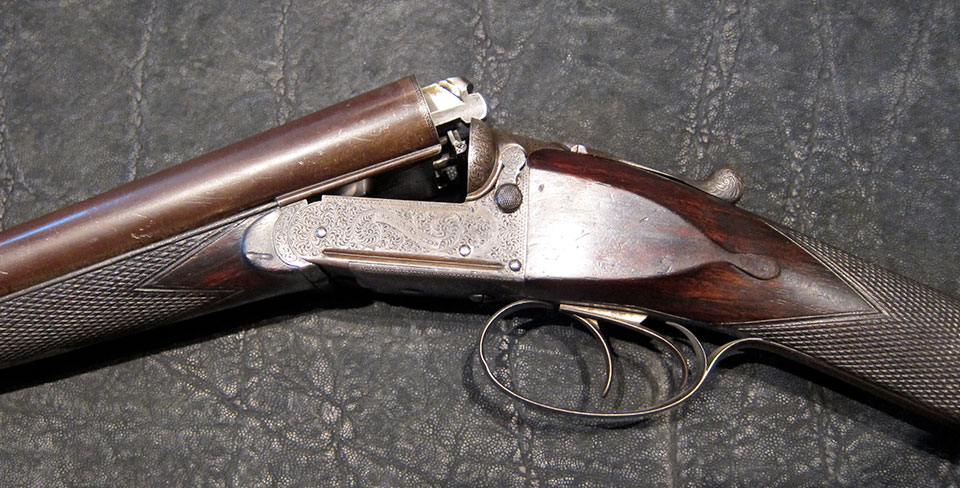
When several different methods for opening a gun, or bolting it shut, are available, the trade naturally gravitates to the most effective one, guided both by the gunmakers’ own knowledge and by the demands of their customers.
The evidence provided by extant 19th century firearms is that many makers did just that. The Purdey bolt of 1863 very quickly became widely used by other makers. When the Scott spindle of 1865 allowed the Purdey bolt to be linked to a top-lever, that combination quickly started appearing on guns the length and breadth of the country.
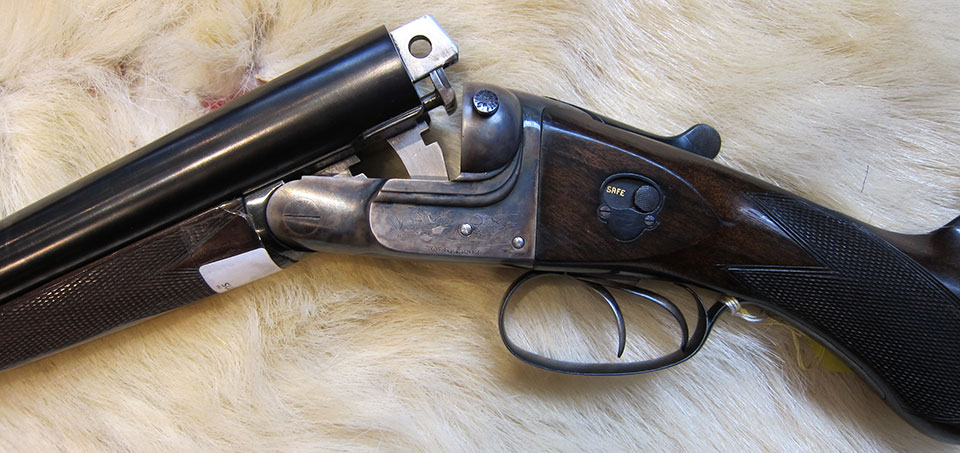
In the case of both bolt and spindle, Birmingham gunmakers paid Scott the royalty and London gunmakers paid Purdey. The patents ran for fourteen years.
Clearly, no gunmaker liked paying a percentage of the cost of his guns to a competitor. So, many invented their own alternative, often claiming it to be an improvement but in reality enabling them to avoid paying a royalty.
We know this, because when the patent protections lapsed, most of the ‘alternative’ mechanisms were dropped in favour of the best.
Sometimes, disputes over patent infringement led to court cases. Often, they were settled before court proceedings were started; a stern letter from a solicitor doing the necessary work of cowing an infringer.
However, on occasion, two big beasts of the Gun Trade Jungle would butt heads in a showdown over an infringement and take it all the way through the legal system to its final resting place with a ruling by the Law Lords.
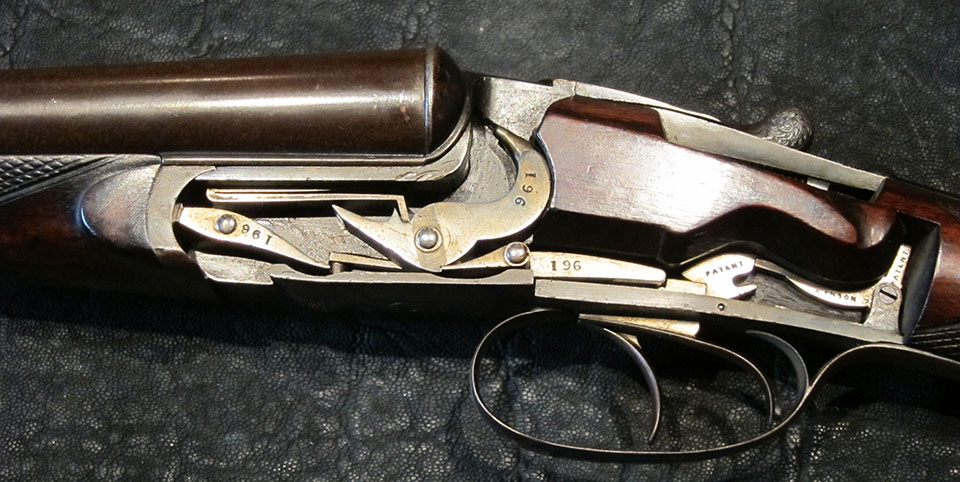
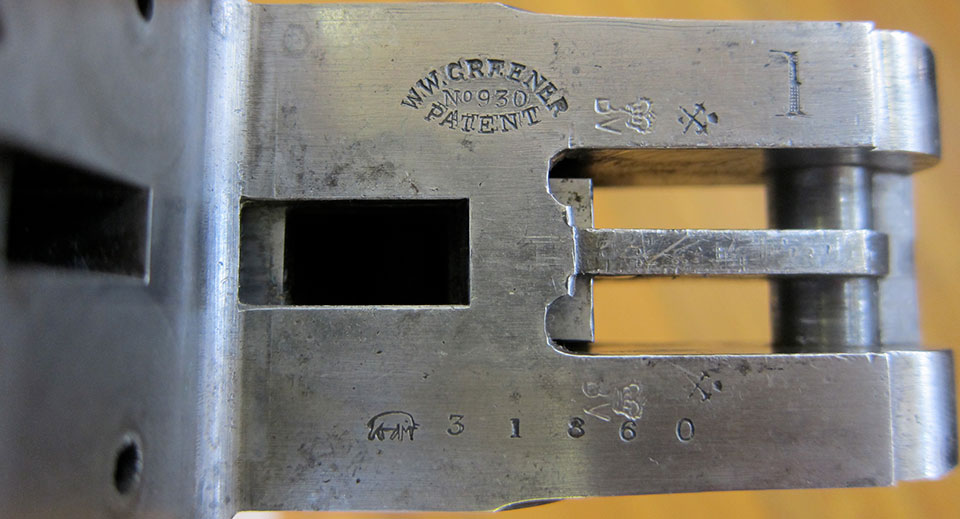
So it was when Robert Couchman (a director of Westley Richards) took exception to the 1880 patent (No.930) ‘Facile Princeps’ upon which William Wellington Greener had begun building guns.
Couchman was of the opinion that Greener’s gun was essentially the same as the 1875 Anson & Deeley patent (No.1756) which belonged to Westley Richards and on which eleven years of patent protection was still in force.
In fact, Greener, since 1877, had been paying Westley Richards a royalty and building Anson & Deeley action guns under licence at a cost to him of fifteen shillings per gun or rifle.
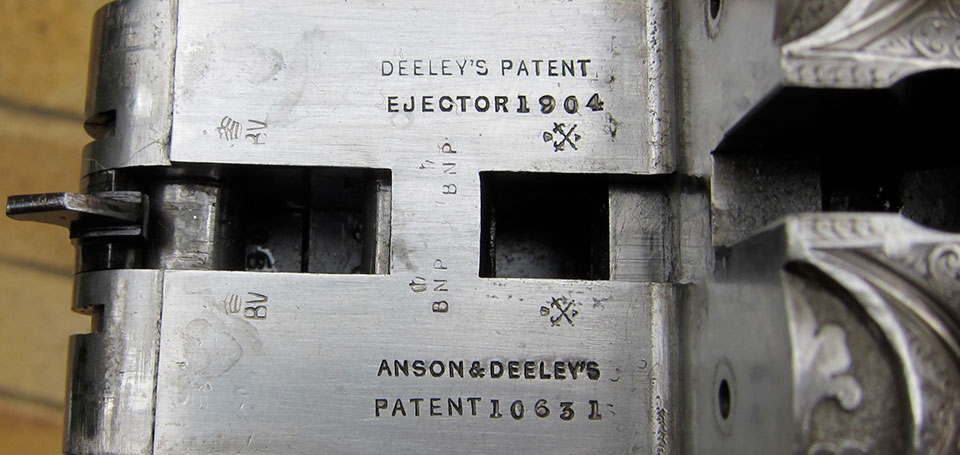
Couchman demanded from Greener £5,000 in damages and fifteen shillings for every Facile Priceps gun sold.
Frequently when legal challenges to patent infringement occurred, the weaker party bowed to the stronger, afraid of the cost of litigation. In the case of Greener vs Westley Richards, both were powerhouses of the Gun Trade with the means to employ expensive lawyers and engage in lengthy litigation.
Greener won in the lower courts twice. First, in 1881, at The Court of the Queen’s Bench, where Judge Baron Pollock ruled in his favour. Secondly, in 1883, when the Appeal Court agreed with Judge Pollock that the gun mechanisms operated differently.
Subsequently, Couchman enlisted the services of the Attorney General (Sir H. James Q.C) and appealed to the House of Lords in 1884.
The Lords ruled in Greener’s favour a third and final time, concluding the litigation and freeing Greener from any financial burden to Westley Richards when making the Facile Princeps.
Legal costs were also awarded in Greener’s favour and the entire process would have cost Westley Richards a considerable sum of money.
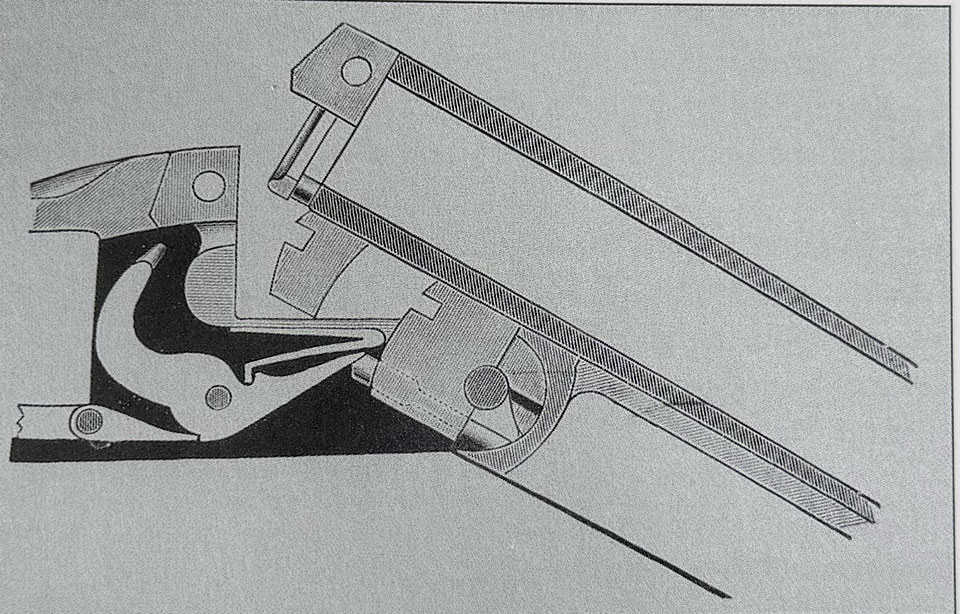
The key difference, the Lords ruled, is the variance of the cocking system. Both guns are barrel-cocked (the barrel is used as a lever to cock the gun, via cocking dogs acting on the tumblers). However, as J.V. Needham had patented barrel-cocking in 1866 it was not material.
However, in the A&D, the forend becomes the front part of the lever, as the cocking dogs link into it to create that lever. On the Greener, the forend is not employed as part of the lever at all.
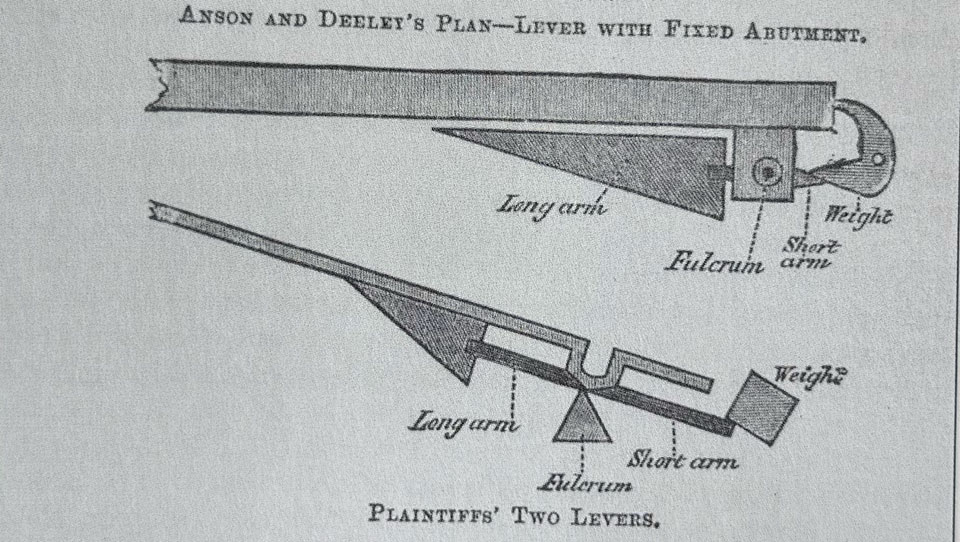
Rather than two projections from the knuckle entering into recesses in the forend iron, the Greener has a wish-bone shaped limb which cocks both tumblers.That is activated by a sliding rod on the front barrel lump. So, the forend itself is not a required part of the cocking system.
This difference settled the case and Greener continued to make his Facile Princeps in grades from a 16-guinea non-ejector to his very best G-90 model (90 guinea) ejector gun.
However, the Facile Princeps remained solely a Greener model, with only a small handful made or sold by other British makers, while the Anson & Deeley became the most widely-optioned and sold gun of its type ever made.
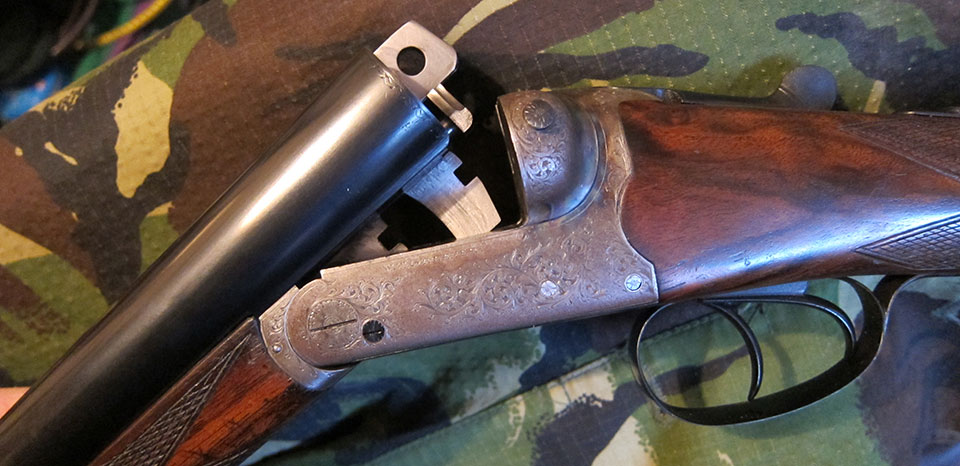
Once the dust had settled, Greener himself started selling Anson & Deeley type guns and rifles again. His ‘DH’ model ran from 1908 to 1965, while the last Facile Princeps shotgun was sold in 1957.
Of the protagonists, Robert Couchman died in 1886 and was succeeded at Westley Richards by Henry Richards. W.W. Greener out-lived him by thirty-five years and died in 1921 at the age of 87.
Published by Vintage Guns Ltd on