Ejectors arrived in Britain with Needham’s 1874 patent. They quickly became the subject of close attention and gunmakers began improving them and lodging numerous patents.
Over the following five years or so, ejectors became the ’must have’ addition to the specifications of a best game gun and Rigby, like everyone else began noting hammerless ejectors in their sales ledgers.
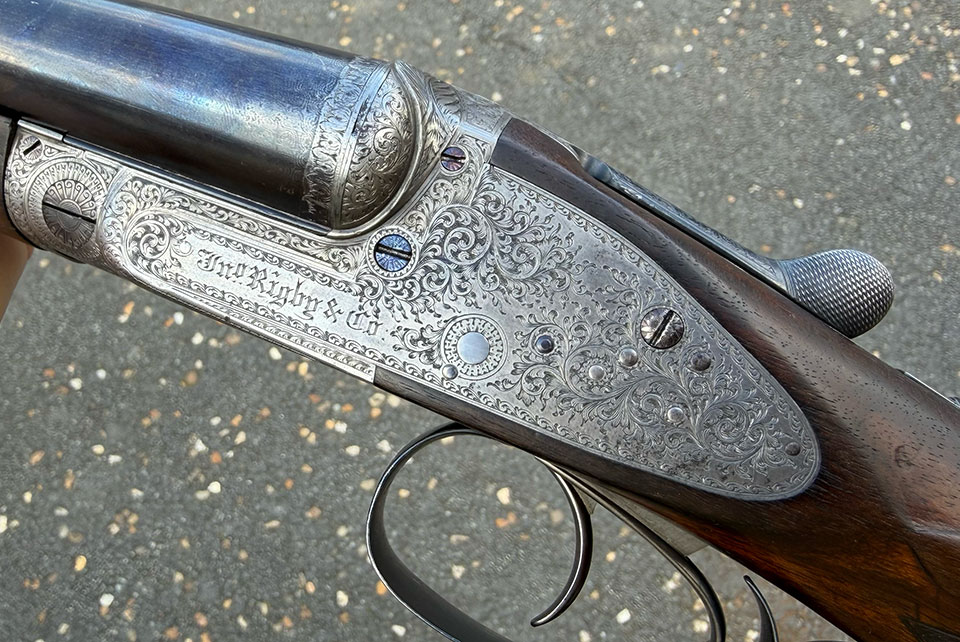
The earliest reference to an ejector I can find in the Rigby records is No.15356, a ‘top-lever ejector gun, Damascus barrels’, completed on 2nd October 1886. It was stocked and screwed by ‘Robertson’, most likely John Robertson, later to own Boss & Co., but then an outworker to the trade.
The actioner was Thomas Bissell, who also provided the barrel filing. Engraving was by Miller and it was polished by Price.
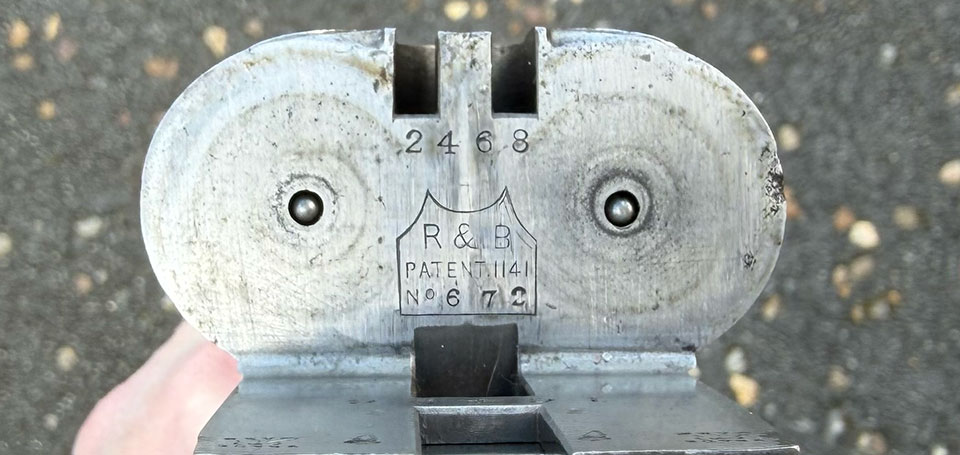
A pair of hammerless ejectors were made in the London workshop and completed on December 24th 1887 (No.15907).
Another ‘top-lever hammerless ejector action, steel barrels’, was made on 27th September 1888 (No.15895).
We do not know what kind of ejectors these had, but the first mention of a ‘Rigby ejector’ is No.15953, a ‘Rigby ejector, steel barrels, vertical bolt, top-lever hammerles 12-bore’.completed on 11th September 1888. This is also credited to the workshop.
From 1888 onwards, ejectors become much more commonly mentioned in descriptions, though ‘Rigby ejector’ is not entered as a specification beyond December 1888.
Entries for Anson & Deeley action guns (mostly Class-C and Class-D) often mention ‘WR ejectors’, which doubtless refers to the Deeley patent box ejector. However, apart from one mention of Southgate ejectors, no further identification notes exist to help.
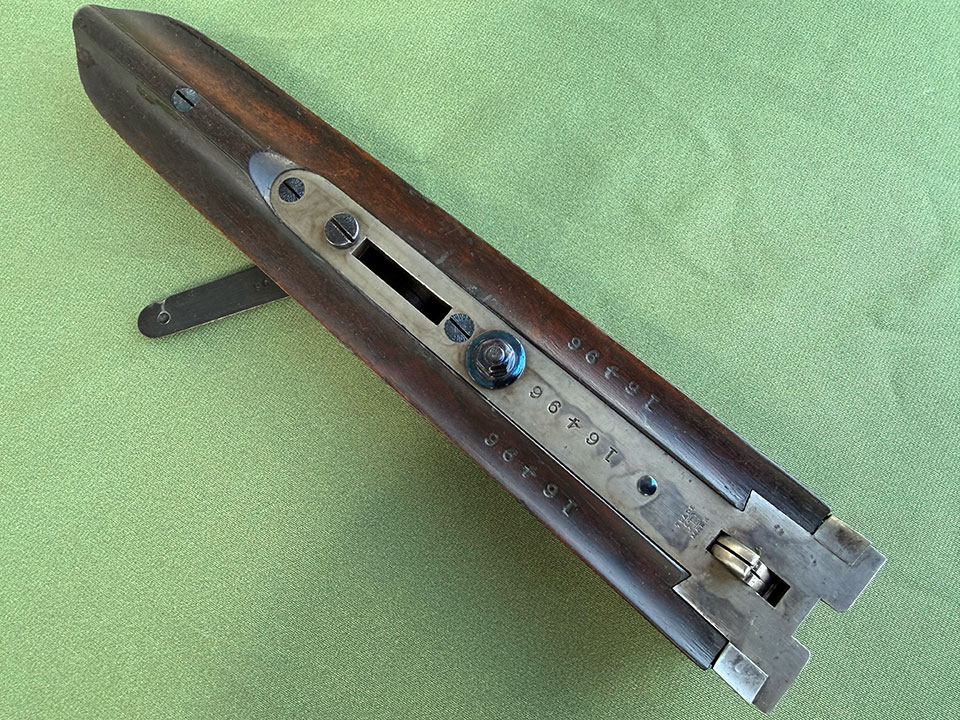
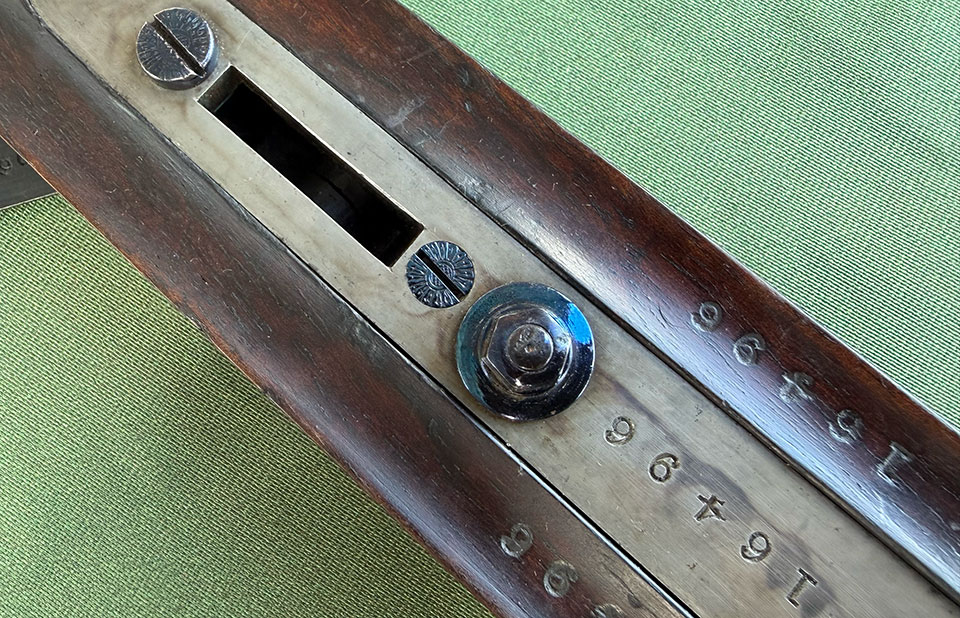
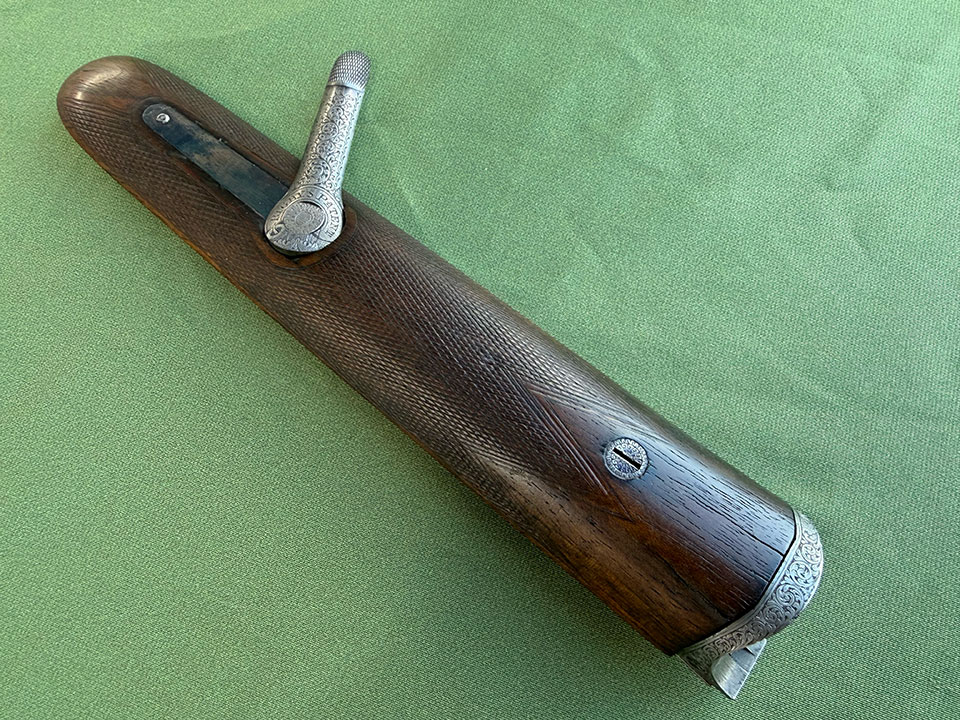
Observation of actual guns shows Rigby to have used a modified forend ejector system with a rotating nut, which can be turned to disable the ejectors and allow the gun to function as a non-ejector.
No patent for this design has come to light and the lack of specific detail in the ledgers makes it difficult to discern when these were first used and when they were discontinued.
We shall continue to explore the origins of the Rigby on/off ejector and hope to shed more light on it in future updates. In the meantime, if you have a Rigby with ejectors that appear not to work - try adjusting the bolt under the forend iron and see if they 'switch on'.
Published by Vintage Guns Ltd on